Shoreline Protection
Living shorelines, jetties, groins, and erosion control.
Erosion Control
Stop Giving Your Backyard To The Bay
Shoreline erosion on the Chesapeake is not theoretical — it is measurable. Some Bay properties lose 1-3 feet of shoreline per year. That is your yard, your trees, and eventually your structures sliding into the water.
We build four types of shoreline protection — living shorelines, jetties, groins, and rip rap. The right approach depends on your site energy, soil conditions, and what MDE will approve. We handle the engineering and the permits.
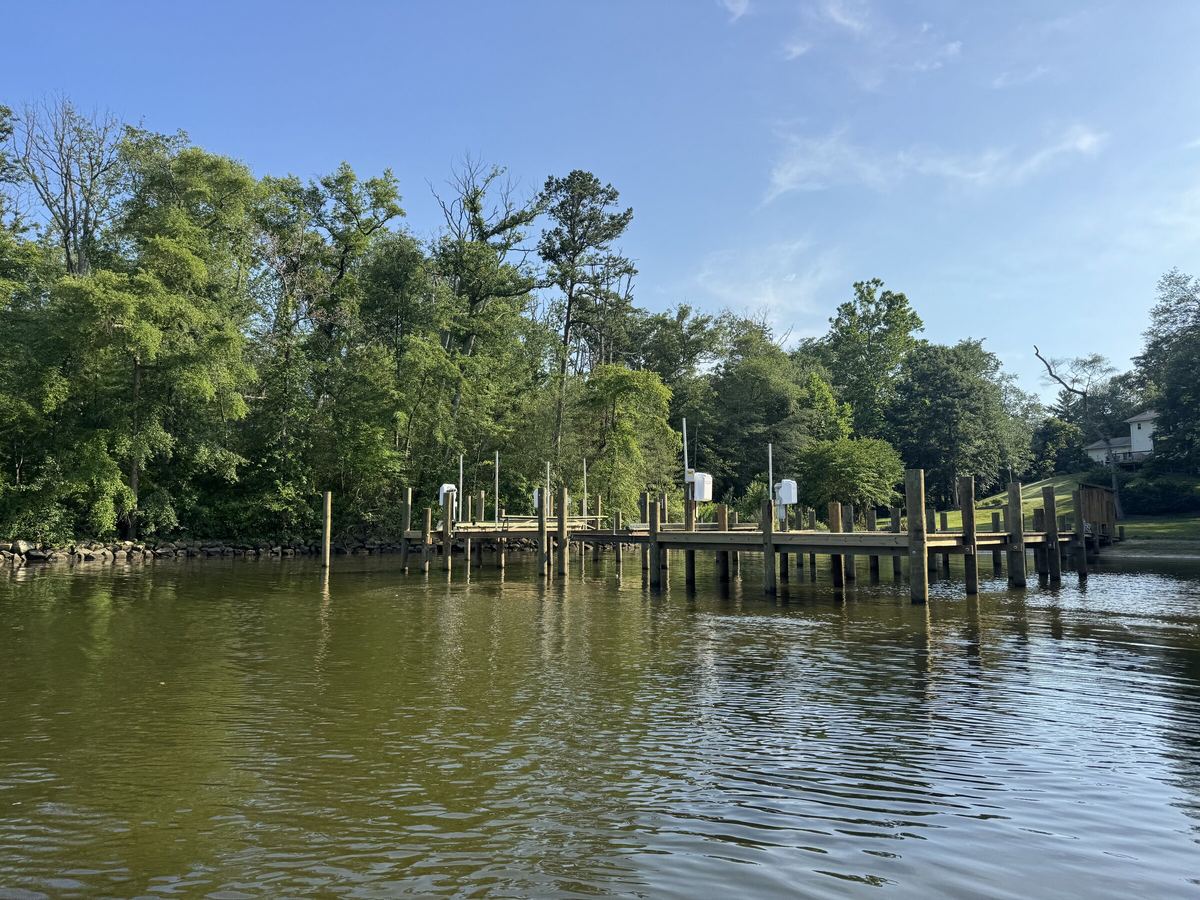
Work With The Tides, Not Against Them
The most effective erosion control works with natural tidal energy instead of fighting it. That is what living shorelines do — and when harder armor is needed, we engineer it to the same principle.
Protection Systems
Four Approaches, One Goal
Living Shorelines
Low to moderate energy shorelines with gradual slopes
Native marsh grasses, oyster shell bags, and coir logs installed to rebuild natural habitat while stabilizing the bank. The most environmentally preferred option when site conditions allow.
Jetties
Channel entrances, inlets, and areas with strong lateral currents
Stone or concrete structures extending perpendicular from shore to direct current flow, prevent shoaling, and protect channel access. Typically used at creek mouths and harbor openings.
Groins
Beaches and sandy shorelines experiencing lateral sediment transport
Low-profile stone or timber structures extending seaward at intervals to trap sand moving along the shore. Slows longshore drift and rebuilds beach width between structures.
Rip Rap
Moderate to high energy shorelines where hard armor is needed
Graded stone placed along the bank at engineered slopes to absorb wave energy and prevent undermining. Often combined with filter fabric and a toe trench for long-term stability.
Common Questions
Shoreline Protection FAQ
How do I know which erosion control method is right for my property?

It depends on your fetch exposure, bank height, soil type, and what is behind the shoreline. We assess all of this during the free site visit and recommend the best-fit solution. In many cases, a combination of methods works better than any single one.
Are living shorelines required in Maryland?
Maryland has a "Living Shorelines Act" that requires living shoreline approaches as the default for erosion control — unless site conditions make them impractical. We handle the site assessment and regulatory determination as part of the permit process.
How much does shoreline protection cost?
Pricing varies widely by method and linear footage. Living shorelines typically run $150-$400 per linear foot. Rip rap runs $200-$600. Jetties and groins are project-specific. We provide firm quotes after the on-site assessment.
Will erosion control affect my water access?
It should not. We design every project to maintain or improve your waterfront access. If you have a pier or dock, we work around it. If you need a new access point, we can integrate that into the design.
How long does a rip rap installation last?
Properly installed rip rap with the correct stone gradation and toe protection can last 50+ years. The stone does not degrade — it is the installation quality that determines longevity. Poorly placed rip rap fails in the first major storm.
Do living shorelines actually stop erosion?
On appropriate sites, yes. Maryland studies show living shorelines can outperform bulkheads in low-energy environments. They also improve water quality, create habitat, and qualify for certain tax benefits. But they are not right for every site.

Request A Free Quote
Send Us A Message
Fill out the form and one of our team will reach out to schedule a free on-site consultation at your waterfront.
Question, comment, or anything else? Drop us a note and we'll get back the same business day.
Request A Free Quote
Send Us A Message
Fill out the form and one of our team will reach out to schedule a free on-site consultation at your waterfront.
Question, comment, or anything else? Drop us a note and we'll get back the same business day.